A float switch is a critical component in modern liquid level control systems, widely used in industrial, commercial, and residential applications. This article provides an in-depth explanation of what a float switch is, how it works, the different types available, and how it is applied across industries such as water treatment, HVAC, oil & gas, and manufacturing. Drawing on practical engineering insights and industry standards, this guide is designed to help engineers, procurement specialists, and system integrators make informed decisions.
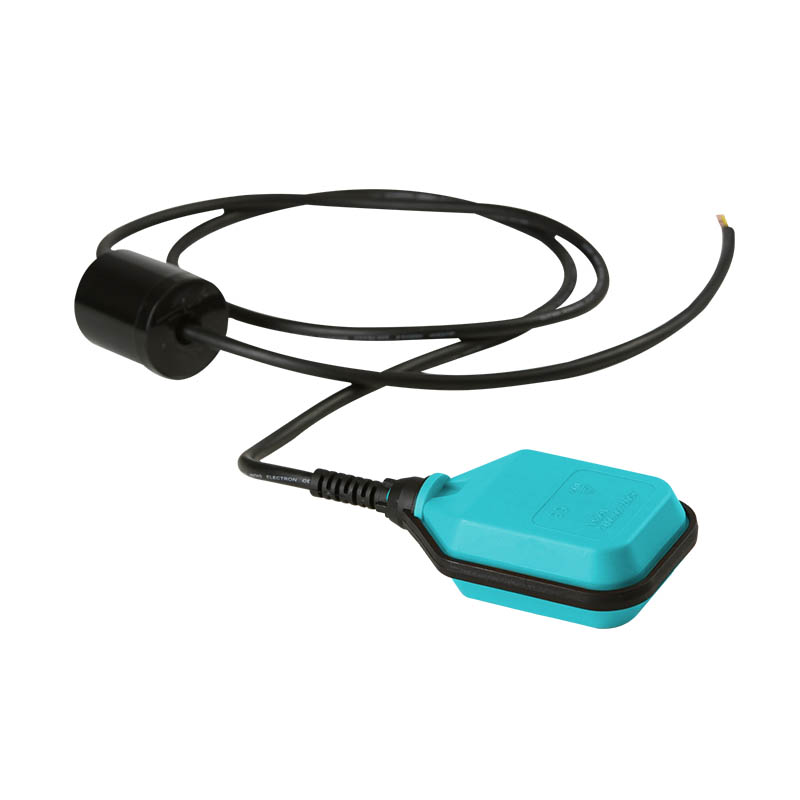
A float switch is an electromechanical device used to detect liquid levels and control equipment such as pumps, valves, alarms, or indicators. It operates by using a buoyant float that moves up or down with the liquid level, triggering an internal electrical switch when a preset level is reached.
Float switches are commonly used in:
For a detailed overview of industrial-grade float switches, you can refer to this float switch resource.
The working principle of a float switch is based on buoyancy and mechanical movement. As the liquid level rises or falls, the float moves accordingly. This movement activates a switch mechanism inside the float or stem.
Typical operating steps include:
Industrial float switches supplied by ZEN Machinery are designed to maintain high accuracy and reliability even in harsh operating environments.
Float switches play a vital role in industrial automation and fluid management systems.
When selecting a float switch, consider the following factors:
Installation tips:
Maintenance tips:
| Type | Mounting | Best For | Advantages |
|---|---|---|---|
| Vertical | Top/Bottom | Small tanks | Compact, accurate |
| Horizontal | Side wall | Limited space | Easy installation |
| Cable | Suspended | Deep wells | Wide range control |
Yes. Selecting the correct material such as stainless steel or chemical-resistant plastics is essential.
With proper installation and maintenance, industrial float switches can last over 10 years.
Absolutely. Float switches integrate easily with PLCs and control panels.
Understanding how a float switch works and selecting the right type is crucial for efficient and safe liquid level control. Whether used in industrial automation or simple water tanks, float switches remain one of the most reliable solutions available today.
If you are looking for high-quality, customized float switch solutions from a trusted manufacturer like ZEN Machinery, feel free to contact us to discuss your project requirements and technical needs.


