Article Summary: A pressure gauge is an important tool for measuring and monitoring pressure levels in various industrial applications. This blog will delve into its function, types, applications, and why accurate pressure measurement is essential for operational safety. We will also cover the key features to look for when choosing a pressure gauge and provide FAQs to address common concerns. All of this is aimed at helping you make informed decisions regarding pressure gauges for your specific needs.
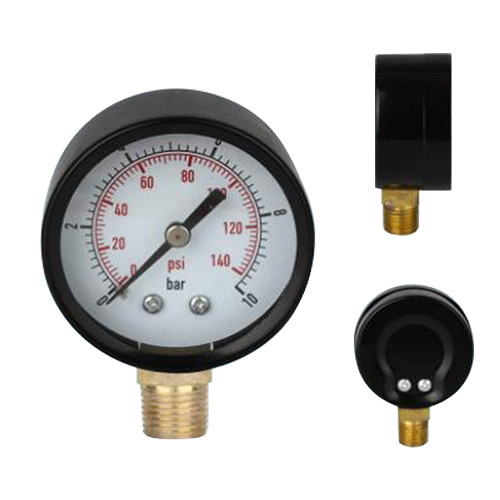
Pressure gauges are critical instruments used to measure the pressure of gases and liquids in various systems. From industrial machines to home appliances, the need for accurate pressure measurement is universal. This article will explore the fundamentals of pressure gauges, their types, applications, and why you need them. By the end, you will understand why pressure gauges are indispensable for maintaining system safety, optimizing performance, and ensuring accurate readings.
There are several types of pressure gauges used in different applications. Each type is designed to offer specific features for measuring pressure accurately in various environments. The most common types of pressure gauges include:
Pressure gauges are used in a wide range of applications across various industries. Their versatility makes them essential in many different fields. Some of the most common applications include:
When selecting a pressure gauge for your system, it’s important to consider several factors to ensure you get the most accurate and reliable results. Here are key points to consider:
| Factor | Considerations |
|---|---|
| Pressure Range | Choose a gauge with a range suitable for your application to prevent damage or inaccurate readings. |
| Material | Depending on the working environment, select a material that is resistant to corrosion or extreme temperatures. |
| Accuracy | Ensure the gauge offers the accuracy needed for your system, as precision is key in many industries. |
| Connection Type | Pressure gauges come with various connection types, so make sure to match it with your system’s fittings. |
To ensure that your pressure gauge remains accurate over time, proper maintenance is essential. Here are some tips to maintain your pressure gauge:
Analog pressure gauges use mechanical parts to display pressure, while digital gauges use electronic sensors to provide more accurate readings.
Accuracy can be verified through regular calibration and testing against known pressure standards.
Yes, but you will need to select a gauge with the appropriate pressure range. Some gauges are specifically designed for low or high-pressure systems.
ZEN provides high-quality, accurate, and durable pressure gauges designed for a wide range of applications. We are committed to offering precision instruments that meet industry standards.
If you need further assistance or have any questions regarding pressure gauges, please feel free to contact us. Our team at ZEN is ready to provide expert advice and help you find the best pressure gauge for your needs.


